Your ideal weekend in France: a guide for all types of travelers
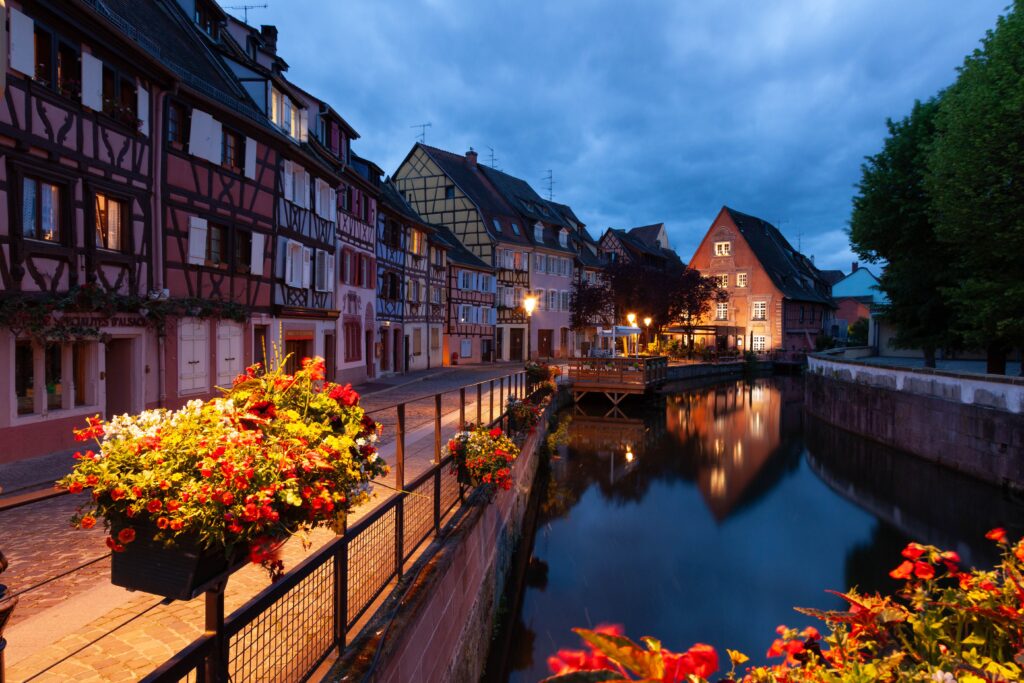
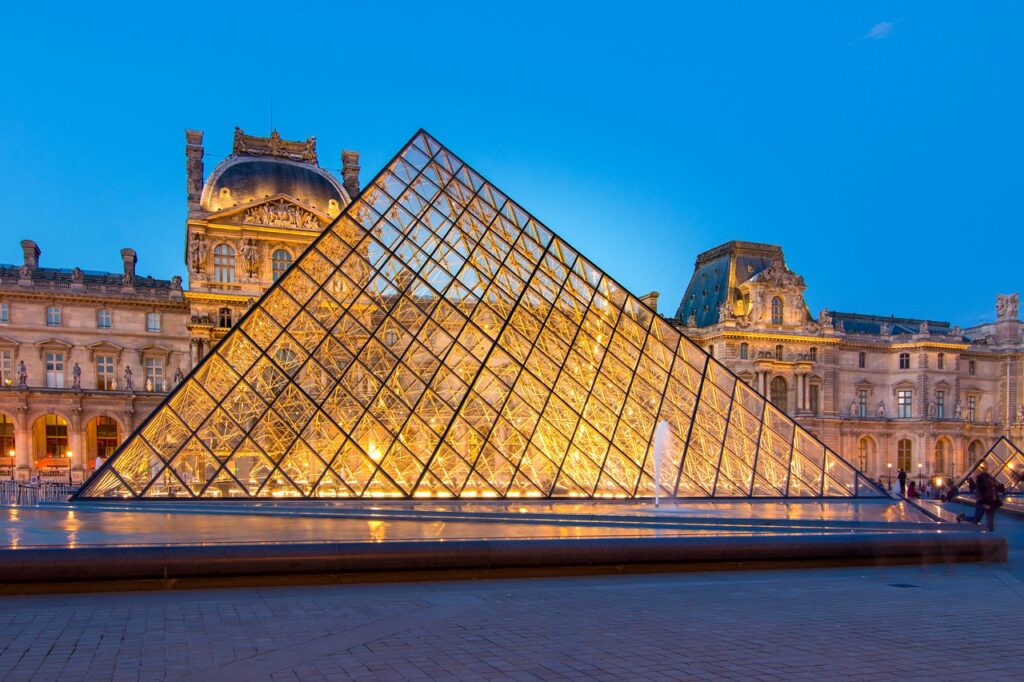
France offers many ways to spend a weekend. You can explore historical cities, taste local cuisine, stroll along the coast, discover peaceful villages, or spend time in the mountains. Each destination offers a different experience. However, a short stay requires careful planning. You may only have two or three days to explore the region, and by trying to visit too many places, you risk not having time to fully enjoy it. The best way to plan a weekend in France is to start with what you love most. If you love history, choose a destination offering interesting monuments and museums. If you prefer nature, opt for lakes, mountains, or rural landscapes. Foodies can organize a stay around local markets and regional specialties. Your travel style can help you choose where to go and how to spend your time. Here is a guide to help you find the weekend experience that suits you in France. 1. Culture enthusiasts: exploring history and architecture If you love history, art, museums, and historical buildings, France has a lot to offer you. Many of its cities have old neighborhoods, famous monuments, and museums that tell the story of the country. Where to go in Paris: visit the Louvre Museum, explore the surroundings of Notre-Dame Cathedral, or admire the Eiffel Tower. You can also wander through the historic neighborhoods to discover different aspects of the city. Strasbourg: explore the historic center, admire the half-timbered houses of Petite France, and visit the Strasbourg Cathedral. Lyon: Take a walk through Vieux Lyon, explore its narrow streets and discover the city’s historical architecture. How to spend your weekend Choose one or two main attractions per day. You could spend the morning in a museum, have lunch nearby, and then explore the historic center in the afternoon. Plan some time to wander and enjoy the city without following a strict schedule. If this is your first visit to France, a guided walking tour can help you understand the history of the city and learn more about its main tourist sites. 2. Foodies: A gastronomic journey through France If you enjoy discovering a place through its gastronomy, organize your weekend around local dishes, markets, bakeries, and restaurants. French cuisine varies from region to region; your destination will therefore determine what you eat and the experience you have. Where to go in Lyon: Renowned for its traditional gastronomic culture, Lyon is an excellent choice for travelers who want to try regional dishes in local restaurants. Bordeaux: explore the food markets, savor the regional cuisine, and discover the region’s wine culture through tastings and local experiences. Dijon: visit the historic center, taste the local mustard, and discover the culinary traditions of Burgundy. How to spend your weekend Start your morning in a local bakery. Taste fresh bread or pastries before exploring the city. Head to a market to discover local and regional products. For lunch or dinner, choose a restaurant that offers typical regional dishes. You can also participate in a gastronomic tour to taste several specialties without spending too much time choosing where to eat. If gastronomy is your main reason for traveling to France, choose a region and explore its specialties rather than trying to try everything in one weekend. 3. Nature lovers: Escape to picturesque France Some travelers prefer vast spaces, clean air, and beautiful panoramas over the bustling streets of cities. If you enjoy hiking, biking, lakes, mountains, or peaceful countryside, France has plenty of destinations that will meet your expectations. Where to go Annecy: Enjoy the view of the lake and surrounding mountains. You can stroll along the water, explore the old town, or participate in seasonal water sports activities. Chamonix: Visit this alpine town for its mountain landscapes, hiking trails, and mountain excursions. Activities depend on the season and weather. Dordogne: Explore the countryside, visit historical villages and enjoy walks along the rivers and through the rural areas. How to spend your weekend Choose a main outdoor activity each day. You could take a scenic walk in the morning, explore a nearby town in the afternoon and enjoy a relaxed dinner in the evening. Check the weather, the trail conditions and the opening hours before you leave. Some mountain activities are seasonal, and the trips between the different rural sites can take longer than expected. For a relaxing weekend, choose accommodation close to the places you want to visit. This will give you more time to enjoy nature and spend less time moving from one place to another. 4. The Romantic Traveler: Enjoy charming cities and beautiful panoramas A romantic weekend doesn’t necessarily require an expensive hotel or a long list of activities. Sometimes, the best experience is simply strolling through beautiful streets, sharing a good meal, and discovering a new place at a leisurely pace. Where to go Colmar: Explore the colorful historical buildings, small boutiques, and charming streets of the old town. Saint-Paul-de-Vence: Discover the art galleries, cobblestone streets, and views of the surrounding countryside. This village is an excellent choice for couples who love art and peaceful walks. Rocamadour: Visit this historic village perched on a spectacular cliff. Its setting and religious heritage make it an unforgettable place to discover. How to spend
Your ideal weekend in France: a guide for all types of travelers Read More »