Destination Ideas

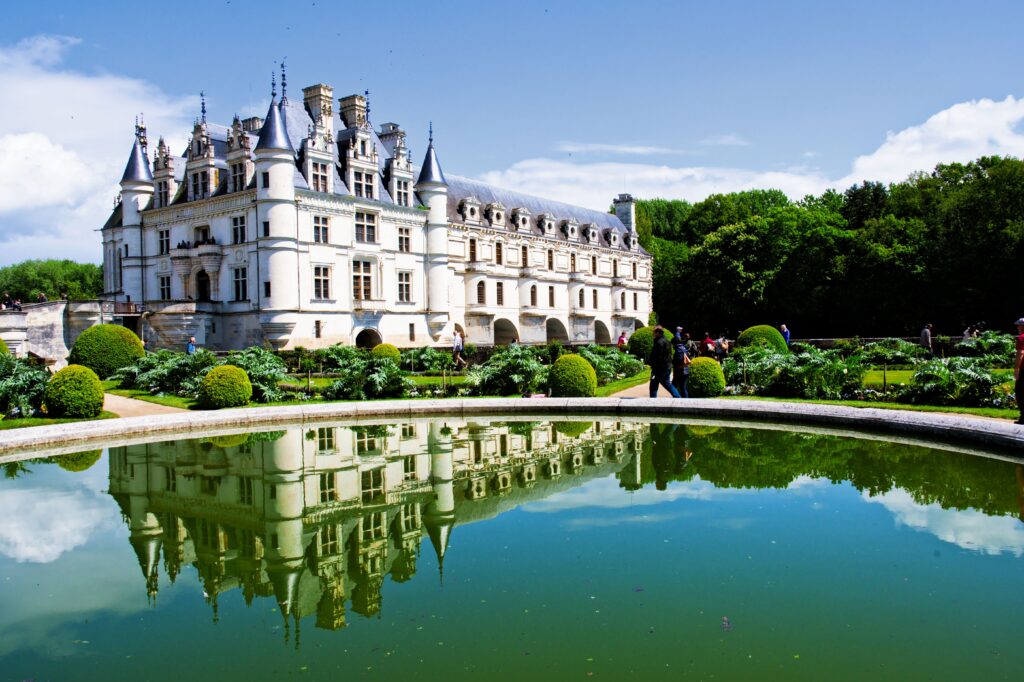
Regions of France - Loire Valley image of Chateau de Chenonceau

Explore the Regions of France: Where to Go and What to See

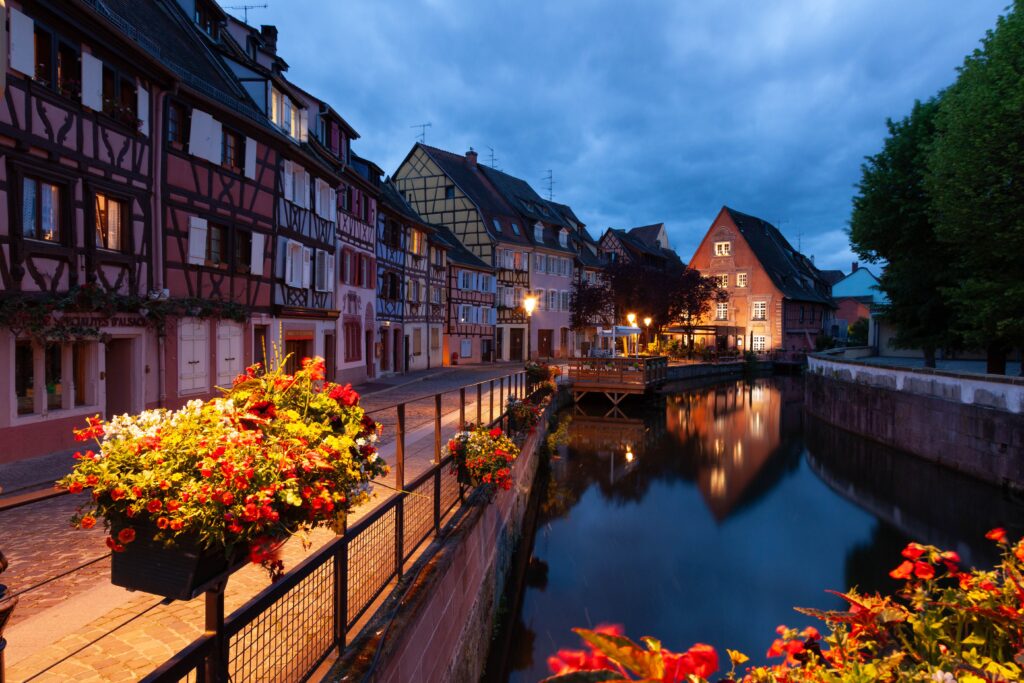
France is not one single travel experience. Paris feels very different from Provence. Brittany has little in common with the French Riviera. The villages of Alsace offer a different kind of trip from the mountain towns of the French Alps… The list goes on. While this variety is one of the best things about visiting France, it can also make planning your first trip difficult. You may want to see the Eiffel Tower, visit medieval castles, walk through lavender fields, relax near the sea, taste regional wines, and explore mountain villages. Unless you have several weeks, trying to fit all of that into one trip will leave you spending too much time in transit. A better approach is to choose your destination based on your travel style, interests, available time, and preferred pace. That’s why we curated this guide. To help you better understand the regions of France and see what makes each one different and what to expect when you arrive. 1. Paris and Île-de-France Paris and the surrounding Île-de-France region are best for first-time visitors who want famous landmarks, major museums, French history, good food, and convenient international transport.   For many travelers, Paris is the easiest place to begin a trip to France. The city is served by major international airports and has strong train connections to other parts of the country. It’s typical that as a first-time visitor, you’d want to see landmarks such as the Eiffel Tower, the Arc de Triomphe, Notre-Dame Cathedral, and the Louvre Museum. Pretty much the popular attractions you’ve heard about. However, you can also explore neighborhoods such as Montmartre, Le Marais, Saint-Germain-des-Prés, and the Latin Quarter. Paris works well for people who enjoy: Museums and art galleries Architecture and history Cafés, restaurants, and bakeries Shopping Busy city experiences Easy day trips The wider Île-de-France region also offers several important places outside central Paris. The Palace of Versailles is one popular example. Other options include the Château de Fontainebleau, the medieval town of Provins, and the village of Auvers-sur-Oise, which is linked to Vincent van Gogh. Paris is a natural starting point, but it does not represent the whole of France. Spending a few days in the capital and then visiting another region can give you a more complete picture of the country. For a first trip, three to five days in Paris is usually enough to see the main sights without rushing every hour of the day. 2. Normandy Normandy is one region of France for travelers who enjoy history, coastal scenery, traditional towns, and a slower pace. It is also one of the easiest regions to add to a Paris itinerary. The region is closely connected to major moments in European history. Many visitors come to see the D-Day landing beaches, military cemeteries, museums, and memorial sites connected to the Second World War. So if that interests you, Normandy is your place. However, Normandy is not only for history enthusiasts. Its coast, countryside, seafood, cheeses, apple products, and half-timbered towns would give you plenty to experience. Popular places in Normandy include: Mont-Saint-Michel Rouen Honfleur Bayeux Étretat Deauville The D-Day beaches Mont-Saint-Michel is one of France’s recognizable monuments. The medieval abbey sits on a rocky tidal island and can become very busy during the day. Staying nearby or visiting early can make the experience more enjoyable. Bayeux is a good base for exploring the D-Day sites. It is also home to the Bayeux Tapestry, which tells the story of the Norman conquest of England. Honfleur and Étretat are good choices for coastal scenery. Honfleur has a historic harbor lined with old buildings, while Étretat is known for its white cliffs and natural rock arches. Normandy suits first-time visitors who want culture and history without creating a complicated itinerary. You can visit part of the region on a day trip from Paris, but spending two or three nights gives you more time to explore properly. 3. Brittany Brittany is best for rugged coastlines, seafood, scenic road trips, historic towns, and travelers who want to experience a strong regional identity. Located in northwestern France, Brittany feels distinct from many other parts of the country. It has its own Celtic roots, local traditions, architecture, food, and cultural history. Brittany is one region that appeals to travelers who prefer places that feel less polished and less centered on international tourism. You will find dramatic cliffs, fishing villages, stone houses, medieval towns, beaches, islands, and open countryside. Some places to consider include: Saint-Malo Dinan Rennes Quimper Vannes Carnac The Pink Granite Coast The Crozon Peninsula Saint-Malo is a walled coastal city with beaches, historic streets, and views across the sea. Nearby Dinan offers medieval streets and timber-framed buildings. Carnac is known for its long rows of prehistoric standing stones. The Pink Granite Coast is a good choice for coastal walks and unusual rock formations. Brittany is also a strong food destination. You can try the crêpes, savoury buckwheat galettes, fresh oysters, seafood, salted butter caramel, and local cider. This region works best when you have access to a car. Trains can take you to larger towns, but many coastal areas and smaller villages are easier to reach by road. Our driving tour packages are just perfect for an experience through Brittany. Choose Brittany if you enjoy scenic drives, quiet coastal towns, local food, and destinations that do not feel too carefully packaged for tourists. 4. Loire Valley The Loire Valley is best for castles, wine, gardens, cycling, and gentle countryside travel. It’s perfect if you want a relaxed and classic French experience without the constant movement of a large city. Loire Valley is famous for its châteaux. These buildings range from grand royal residences to smaller private estates surrounded by gardens and vineyards. Popular castles include: Château de Chambord Château de Chenonceau Château de Villandry Château d’Amboise Château de Blois Château d’Azay-le-Rideau Château de Cheverny Chambord is known for its size and grand architecture. Chenonceau stretches across the River Cher and is one of

Explore the Regions of France: Where to Go and What to See Lire la suite »

How to Truly Experience Paris: Monuments, Atmosphere, and Timeless Charm

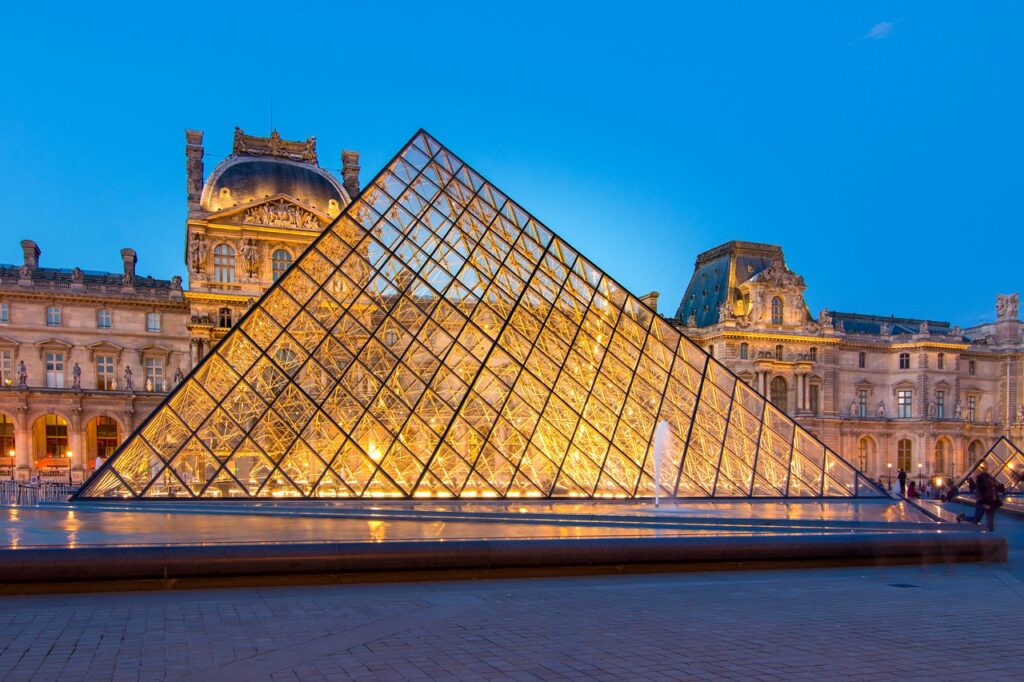
Paris is one of the most visited cities in the world, welcoming tens of millions of travelers every year. Yet, all too often, visitors rush from one iconic landmark to the next with a strict checklist in hand, only to leave feeling exhausted rather than enchanted. The best way to tour Paris isn’t about seeing more. It’s about slowing down, enjoying the atmosphere, and discovering the moments that make the city unforgettable. In this Paris travel guide, you’ll learn how to experience Paris through its iconic monuments, romantic charm, and the everyday lifestyle that locals love. How to Appreciate the City’s Architecture Instead of Simply Seeing It The monuments are one of the biggest reasons people come to Paris. But instead of racing from one attraction to another, spend enough time with each place to understand why it has become part of the city’s identity. 1. See the Eiffel Tower at Its Most Magical No Paris tour itinerary feels complete without the Eiffel Tower. But the experience changes depending on when and where you see it. Instead of heading straight to the elevators in the middle of the afternoon, visit around twilight. Find a spot on the lawns of Champ de Mars and watch the sky change from blue to soft pink as the tower begins to sparkle. Another great option is a Seine river cruise. Watching the Eiffel Tower emerge from the water gives you a different view of the city, especially as the evening lights reflect across the river. If you want to go to the top, book your tickets well in advance. Then leave some extra time afterward to simply enjoy the surroundings instead of rushing away. If you’d rather skip the planning, KP Tourist Guide can build a personalized Paris itinerary around the experiences you enjoy most. Instead of following a fixed schedule, you’ll have a tailor-made plan that fits your travel style. 2. Wander Around Notre-Dame and Île de la Cité Notre-Dame is one of the world’s most famous cathedrals, but the area around it deserves just as much attention. After admiring the Gothic architecture, spend time walking through the narrow streets of Île de la Cité. Many visitors leave immediately after taking photos, but these historic lanes tell the story of medieval Paris. Look up as you walk. Notice the old stone buildings, decorative balconies, quiet courtyards, and centuries-old churches tucked between modern cafés. The slower you move here, the more you’ll discover. 3. Pair the Louvre with the Tuileries Garden The Louvre is one of the largest museums in the world, and trying to see everything in one visit can quickly become overwhelming. Instead, choose a few galleries that genuinely interest you. You might explore the Italian Paintings Gallery to see Leonardo da Vinci’s Mona Lisa, visit the Greek, Etruscan, and Roman Antiquities collection to admire the Venus de Milo. Or, head to the Egyptian Antiquities galleries to discover ancient mummies, statues, and artifacts. If you’re interested in sculpture, the French Sculpture galleries are also worth your time. Afterward, walk into the nearby Jardin des Tuileries. This elegant garden offers a welcome break from the crowds. Grab a chair near one of the fountains, watch locals enjoying the afternoon, and let the museum experience settle before moving on. 4. Explore the Side Streets of Montmartre and Sacré-Cœur Sacré-Cœur offers one of the best panoramic views in Paris, but many visitors stay only around the main square. The real character of Montmartre lives beyond the busiest streets. Spend an hour wandering through its winding alleys. You’ll find small art studios, hidden staircases, flower-covered homes, neighborhood bakeries, and tiny cafés that feel far removed from the crowds. This part of exploring Paris reminds you why so many artists chose this neighborhood as their home. Montmartre is also a great example of why personalized travel matters. Every traveler enjoys Paris differently. Some love art galleries and hidden cafés, while others want food tours or photography spots. 5. Discover the Charm of Canal Saint-Martin Not every beautiful part of Paris comes with long ticket lines or famous monuments. Canal Saint-Martin is one of those places locals return to again and again. Lined with leafy trees, iron footbridges, and waterside cafés, the canal offers a quieter side of the city. Walk along the towpaths, stop at an independent bookstore, or pick up pastries from a nearby bakery and enjoy a relaxed picnic by the water. This neighborhood is perfect if you want a break from the busiest Paris attractions while still soaking up the city’s architecture and atmosphere. It’s also a wonderful place to slow down, watch boats pass through the locks, and experience the everyday rhythm of visiting Paris. 6. Relax in the Timeless Beauty of Place des Vosges If you want to see one of Paris’s most beautiful squares, make time for Place des Vosges. Located in the historic Marais district, it’s the oldest planned square in the city and a wonderful example of French classical architecture. Its elegant red-brick buildings, arched walkways, and neatly kept gardens create a peaceful setting that feels worlds away from the city’s busiest attractions. Locals come here to read, meet friends, or enjoy lunch on the grass when the weather is warm. Take time to wander beneath the arcades, browse the independent boutiques and art galleries nearby, or simply find a bench and watch Parisian life unfold. It’s one of those places that rewards slowing down. For travelers who want to tour Paris beyond the obvious landmarks, Place des Vosges offers a quieter side of the city while still showcasing the beauty and history that make exploring Paris so memorable. How to Experience the Romance That Made Paris Famous People have called Paris the City of Love for generations, and this reputation didn’t appear by accident. During the 19th century, Paris became a center for artists, writers, musicians, and poets. Romantic literature also flourished alongside beautiful boulevards that transformed the city. You could also find cafés that became places

How to Truly Experience Paris: Monuments, Atmosphere, and Timeless Charm Lire la suite »

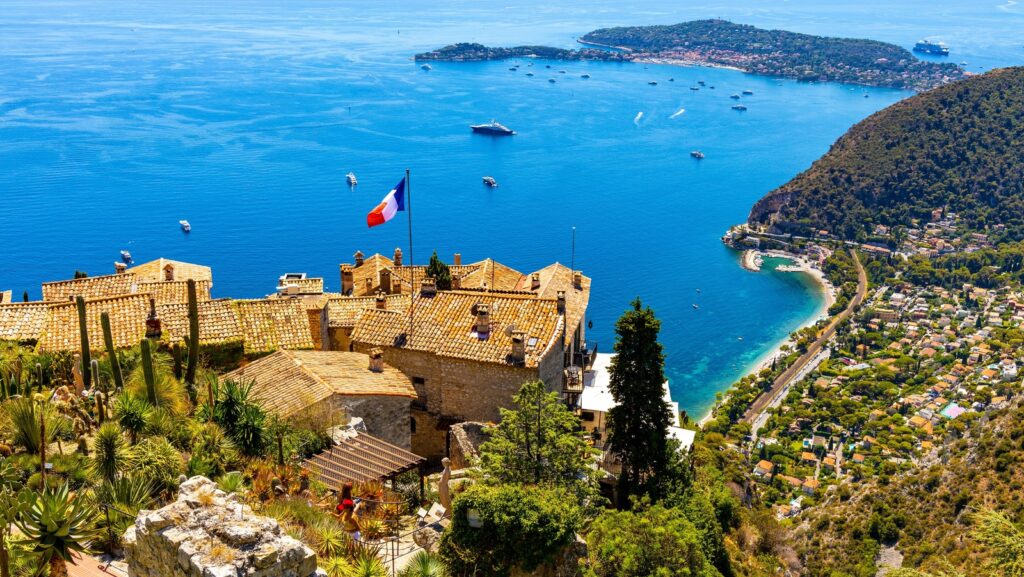
Eze - Cote d'Azur - KP Tourist Guide

Explore Côte d’Azur: 7 Hidden Jewels of the French Riviera

The best view on the French Riviera isn’t from a private beach club in Saint-Tropez. It is from the ancient, sun-baked stone walls of a medieval village perched high above the sea. Most people picture the Côte d’Azur as a string of glamorous beach towns. Nice, Cannes, and Saint-Tropez deserve their fame. The blue water is stunning, the marinas sparkle, and the cafés stay busy from morning until late at night… But the real heart of the region sits far above the coastline. Scattered across the hills are dozens of medieval villages that have stood for hundreds of years. The French call them villages perchés, or perched villages, because they were built high on rocky hills for protection. Today, they offer some of the best views in the region, along with narrow stone streets, historic churches, local restaurants, and a much slower pace than the busy coastline. If you’re planning a trip, this Côte d’Azur travel guide introduces seven hilltop escapes that show a different side of southern France. They are some of the best places to visit on the French Riviera if you want history, scenery, and peaceful moments away from the busy coast. 1. Èze: The Eagle’s Nest Perched about 430 meters (1,400 feet) above the Mediterranean Sea, Èze village is one of the most famous hilltop villages on the French Riviera. Its high position gives visitors sweeping views of the coastline, which is why it has earned the nickname « The Eagle’s Nest. » The village is small enough to explore on foot. Most of the streets are narrow and paved with stone. You’ll walk through old archways, pass small artisan shops, and discover quiet squares filled with flowers. One of the main attractions is the Exotic Garden, built on the ruins of an old castle. From here, you can enjoy one of the widest views on the French Riviera. On a clear day, the sea stretches far into the distance. Èze is a great choice if you enjoy photography, history, or simply want one of the best viewpoints in the region. Visit early in the morning or late in the afternoon if you want a quieter experience. 2. Saint-Paul de Vence: The Artist’s Sanctuary Some villages inspire artists. Others seem like works of art themselves. Saint-Paul de Vence does both. This beautiful village is one of the best-preserved medieval towns in southern France. It has attracted artists for decades because of its peaceful atmosphere, beautiful scenery, and well-nurtured buildings. Marc Chagall lived here during the final years of his life, and his influence can still be felt throughout the village. Today, you’ll find art galleries, studios, sculptures, and exhibitions around almost every corner. Walking through the village is part of the experience. The pebble-patterned streets, stone houses, and medieval walls have changed very little over the centuries. Don’t miss a walk along the old ramparts. They offer beautiful views of the surrounding countryside, including vineyards, olive groves, and distant hills. If you enjoy art, history, and architecture, Saint-Paul de Vence is one of the most rewarding medieval towns in the south of France to visit. 3. Sainte-Agnès: Europe’s Highest Coastal Escape High above Menton sits a village that many travelers never hear about. Sainte-Agnès, France, stands about 800 meters above sea level. It is often recognized as Europe’s highest coastal village and is officially listed among France’s most beautiful villages. Despite its impressive location, the village remains quiet for much of the year. Narrow lanes wind between stone houses decorated with flowers, while small viewpoints overlook the Mediterranean Sea. One of the highlights is the Maginot Line fort, built before the Second World War. Visitors can explore its underground tunnels and learn about an important part of French military history. If you want amazing coastal views without large crowds, Sainte-Agnès is well worth the trip. 4. Peillon: The Untouched Time Capsule If you want silence, come here. Peillon feels untouched by modern tourism. You won’t find rows of souvenir shops or busy restaurant terraces. Instead, you’ll discover narrow passages, weathered stone houses, and quiet corners where only birds interrupt the stillness. The village was built directly into the mountainside, so many of the houses seem to grow out of the rock itself. Narrow staircases connect the streets because cars cannot enter most parts of the village. Peillon is one of the best hidden gems in the south of France for anyone who enjoys quiet places and photography. Every corner offers something interesting to capture, from old wooden doors to ivy-covered stone walls. You should plan to spend a few hours simply wandering without a fixed route. That is the best way to appreciate this peaceful village. 5. Gourdon: The Balcony of the Riviera Gourdon sits dramatically on top of a rocky peak overlooking the Loup Valley. The drive to the village is almost as memorable as the destination itself. The road climbs through the mountains before opening up to wide views of valleys, forests, and the Mediterranean Sea. The village has kept much of its medieval character. Stone buildings, narrow streets, and small public squares give it a timeless feel. There are also several restaurants and cafés where you can enjoy local Provençal dishes while looking out over the valley. If your goal is to experience dramatic scenery, Gourdon is easily one of the best places to visit on the French Riviera. 6. Mougins: The Culinary Hilltop Mougins welcomes you with the smell of fresh bread, herbs, and slow-cooked Provençal food. The village sits among pine forests just a short drive from Cannes, yet it feels wonderfully calm. As you walk through the village, you’ll notice colorful shutters, flower-filled balconies, and outdoor terraces where people gather for long lunches and evening meals. It might interest you to know that Pablo Picasso spent the last twelve years of his life in Mougins. No wonder the village still attracts artists and creative people today. You’ll find small galleries and studios sitting alongside restaurants and cafés, creating a lively but

Explore Côte d’Azur: 7 Hidden Jewels of the French Riviera Lire la suite »

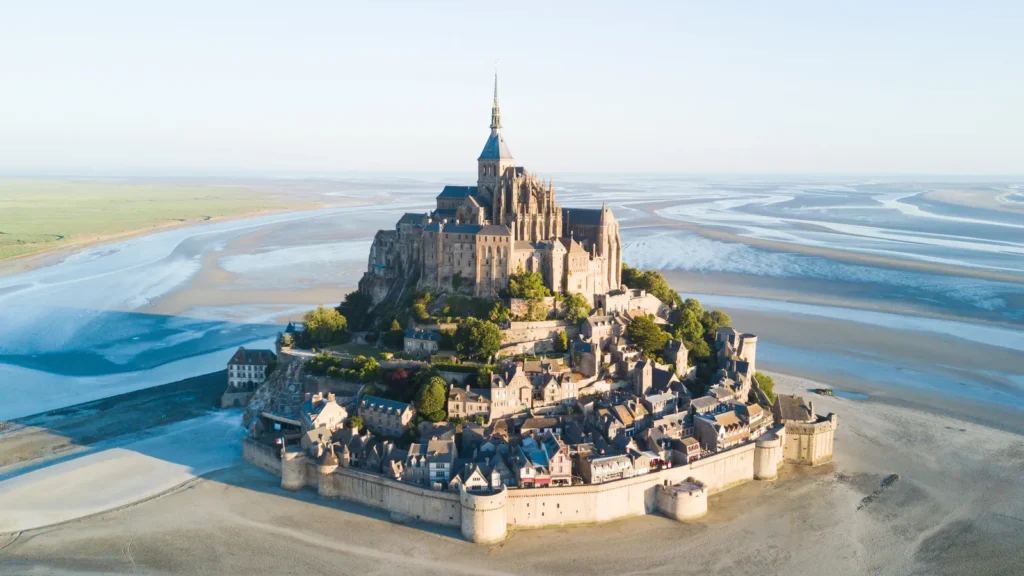
Mont Saint-Michel - Monuments in France - KP Tourist Guide

10 Interesting Monuments To See In France

France is often the first destination that comes to mind when people dream about Europe. Most travelers picture the Eiffel Tower, charming Parisian cafés, and world-famous museums. Those places deserve their reputation. But if you stop there, you’re more likely to spend your trip in France and leave without seeing just how diverse the country really is. This guide introduces 10 of the best monuments in France. You’ll find the iconic Paris attractions that deserve a place on your itinerary, along with spectacular regional treasures that offer richer history, fewer crowds, and unforgettable experiences. So, if you’re planning your France travel itinerary, the landmarks we reveal here will help you experience far more than the usual tourist route. Let’s dive in! 1. The Eiffel Tower No list of the best monuments in France would be complete without the Eiffel Tower. When Gustave Eiffel unveiled the tower for the 1889 World’s Fair, many Parisians criticized its appearance. Today, it has become one of the world’s most recognizable landmarks and a symbol of French innovation. Standing beneath the Eiffel Tower is impressive, but surprisingly, it isn’t the best place to appreciate it. The structure is so enormous that you spend most of your time looking almost straight up. Instead, walk over to the Trocadéro. The elevated gardens provide one of the best panoramic views of the Eiffel Tower, making it perfect for photos and giving you a full appreciation of the tower’s engineering. Visit early in the morning or just before sunset for smaller crowds and beautiful lighting. 2. The Louvre Museum Many visitors know the Louvre as the home of the Mona Lisa. What fewer people realize is that the museum itself is one of France’s great historical monuments. Long before it became the world’s largest art museum , the Louvre began as a medieval fortress built in the late 12th century to protect Paris from invasion. Over centuries, it evolved into a royal palace before becoming the museum we know today. As you walk through its galleries, you’re not just exploring artwork. You’re moving through nearly 800 years of French history. The contrast between medieval foundations, Renaissance architecture, royal apartments, and the modern glass pyramid makes the Louvre one of the most fascinating historic sites France has to offer. Even if you’re not an art enthusiast, the building itself is worth the visit. 3. Notre-Dame Cathedral Notre-Dame remains one of the greatest achievements of Gothic architecture. Its soaring towers, detailed stone carvings, stained-glass windows, and famous gargoyles have inspired visitors for centuries. The cathedral also survived one of the biggest challenges in its history after the devastating 2019 fire. Years of careful restoration have returned much of its beauty while preserving its historical character. Visiting today offers the chance to witness both medieval craftsmanship and one of the world’s most ambitious restoration projects. One of the best parts is that entry into the cathedral is free, making it one of the best examples of free things to do in France. Take your time to admire the architecture inside and outside. You’ll find that every corner tells part of the story of France’s religious and cultural heritage. 4. Palace of Versailles If Paris represents the heart of modern France, Versailles represents the height of royal power. Built for King Louis XIV, the palace became the center of political life during the French monarchy and remains one of the most spectacular royal residences in the world. Most visitors focus on the palace interiors, including the famous Hall of Mirrors. While these rooms are breathtaking, don’t overlook the gardens. The gardens stretch for hundreds of hectares with elegant fountains, sculptures, canals, and perfectly designed pathways. They are considered masterpieces of landscape architecture in their own right. Better still, the gardens are free to enter on many days outside the Musical Fountains and Musical Gardens events, making them an excellent addition to any France travel itinerary. Give yourself an entire day if possible. Versailles rewards travelers who slow down. 5. Palace of the Popes (Avignon, Provence) Want to experience one of Europe’s most important religious landmarks without the crowds of Paris? Head south to Avignon. The Palace of the Popes is the largest Gothic palace ever constructed . During the 14th century, it became the seat of Western Christianity when several popes ruled from Avignon instead of Rome. Walking through its enormous halls and ceremonial rooms gives you a sense of the political and religious influence the city once held across Europe. The massive stone walls, towering chambers, and medieval atmosphere make this one of the most underrated French landmarks to visit. For travelers looking to explore beyond Paris, the Palace of the Popes in Avignon is an easy recommendation. 6. Mont Saint-Michel (Normandy) Few places in Europe look as magical as Mont Saint-Michel. The abbey rises dramatically from a rocky tidal island, creating the impression that it floats above the sea. What makes the Mont Saint-Michel even more fascinating is the surrounding tide. During high tide, the sea cuts the island off from the mainland, while low tide reveals vast stretches of sand that can be crossed on foot with guided tours. For centuries, pilgrims made this remarkable journey to reach the abbey. Today, visitors climb winding medieval streets before reaching the stunning monastery at the summit. Whether you arrive at sunrise, sunset, or during changing tides, Mont Saint-Michel is easily one of the most unforgettable places to visit in France. 7. Pont du Gard (Near Nîmes, Languedoc) France’s history didn’t begin with medieval castles. Long before that, the Romans built remarkable structures across southern France, and none are more impressive than Pont du Gard. This enormous three-level aqueduct bridge carried fresh water more than 2,000 years ago. Despite its age, it remains one of the best-preserved Roman engineering achievements anywhere in the world. Standing beneath its towering arches makes it easy to appreciate the incredible precision of ancient builders. Visitors can also walk across parts of the bridge, explore the nearby

10 Interesting Monuments To See In France Lire la suite »

fr_FR