France is not one single travel experience. Paris feels very different from Provence. Brittany has little in common with the French Riviera. The villages of Alsace offer a different kind of trip from the mountain towns of the French Alps… The list goes on. While this variety is one of the best things about visiting France, it can also make planning your first trip difficult.
You may want to see the Eiffel Tower, visit medieval castles, walk through lavender fields, relax near the sea, taste regional wines, and explore mountain villages. Unless you have several weeks, trying to fit all of that into one trip will leave you spending too much time in transit.
A better approach is to choose your destination based on your travel style, interests, available time, and preferred pace. That’s why we curated this guide. To help you better understand the regions of France and see what makes each one different and what to expect when you arrive.
1. Paris and Île-de-France
Paris and the surrounding Île-de-France region are best for first-time visitors who want famous landmarks, major museums, French history, good food, and convenient international transport.
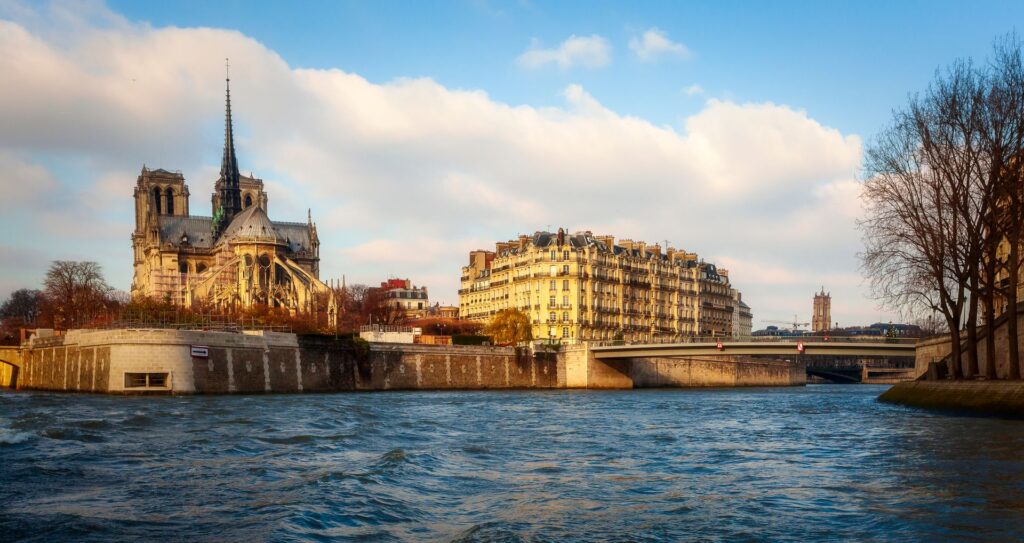
For many travelers, Paris is the easiest place to begin a trip to France. The city is served by major international airports and has strong train connections to other parts of the country.
It’s typical that as a first-time visitor, you’d want to see landmarks such as the Eiffel Tower, the Arc de Triomphe, Notre-Dame Cathedral, and the Louvre Museum. Pretty much the popular attractions you’ve heard about. However, you can also explore neighborhoods such as Montmartre, Le Marais, Saint-Germain-des-Prés, and the Latin Quarter.
Paris works well for people who enjoy:
- Museums and art galleries
- Architecture and history
- Cafés, restaurants, and bakeries
- Shopping
- Busy city experiences
- Easy day trips
The wider Île-de-France region also offers several important places outside central Paris. The Palace of Versailles is one popular example. Other options include the Château de Fontainebleau, the medieval town of Provins, and the village of Auvers-sur-Oise, which is linked to Vincent van Gogh.
Paris is a natural starting point, but it does not represent the whole of France. Spending a few days in the capital and then visiting another region can give you a more complete picture of the country. For a first trip, three to five days in Paris is usually enough to see the main sights without rushing every hour of the day.
2. Normandy
Normandy is one region of France for travelers who enjoy history, coastal scenery, traditional towns, and a slower pace. It is also one of the easiest regions to add to a Paris itinerary.
The region is closely connected to major moments in European history. Many visitors come to see the D-Day landing beaches, military cemeteries, museums, and memorial sites connected to the Second World War. So if that interests you, Normandy is your place.
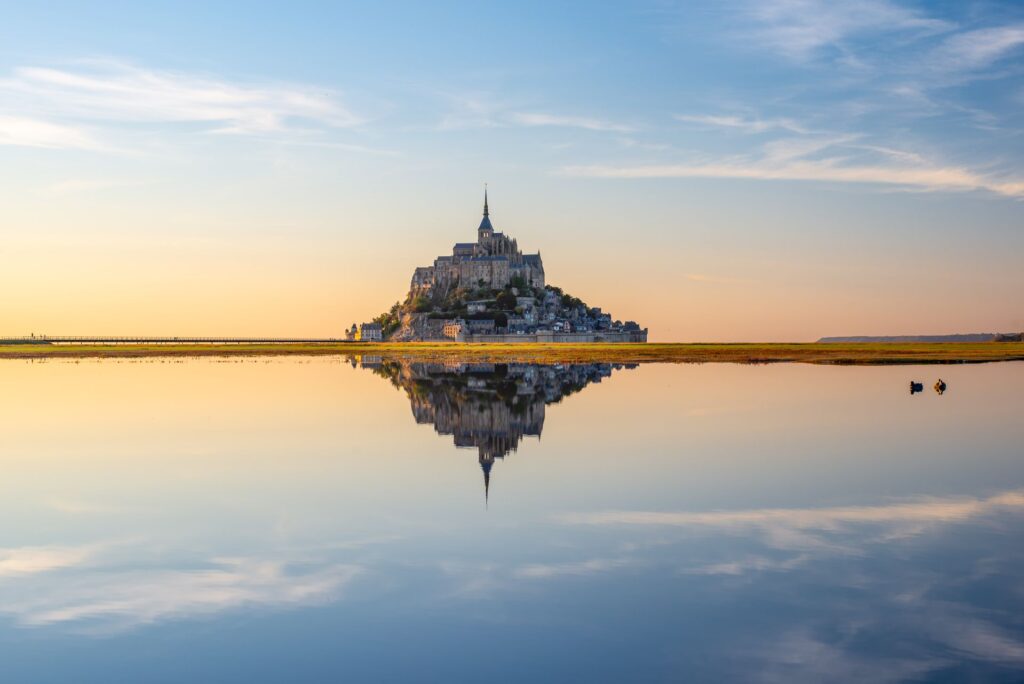
However, Normandy is not only for history enthusiasts. Its coast, countryside, seafood, cheeses, apple products, and half-timbered towns would give you plenty to experience.
Popular places in Normandy include:
- Mont-Saint-Michel
- Rouen
- Honfleur
- Bayeux
- Étretat
- Deauville
- The D-Day beaches
Mont-Saint-Michel is one of France’s recognizable monuments. The medieval abbey sits on a rocky tidal island and can become very busy during the day. Staying nearby or visiting early can make the experience more enjoyable.
Bayeux is a good base for exploring the D-Day sites. It is also home to the Bayeux Tapestry, which tells the story of the Norman conquest of England.
Honfleur and Étretat are good choices for coastal scenery. Honfleur has a historic harbor lined with old buildings, while Étretat is known for its white cliffs and natural rock arches.
Normandy suits first-time visitors who want culture and history without creating a complicated itinerary. You can visit part of the region on a day trip from Paris, but spending two or three nights gives you more time to explore properly.
3. Brittany
Brittany is best for rugged coastlines, seafood, scenic road trips, historic towns, and travelers who want to experience a strong regional identity.
Located in northwestern France, Brittany feels distinct from many other parts of the country. It has its own Celtic roots, local traditions, architecture, food, and cultural history.
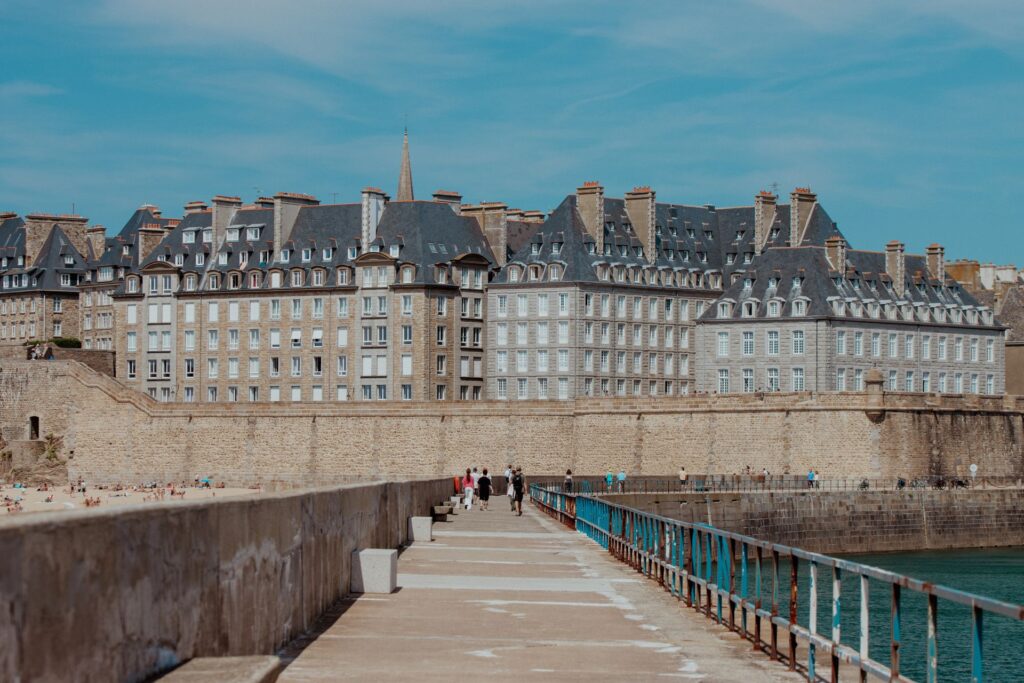
Brittany is one region that appeals to travelers who prefer places that feel less polished and less centered on international tourism. You will find dramatic cliffs, fishing villages, stone houses, medieval towns, beaches, islands, and open countryside.
Some places to consider include:
- Saint-Malo
- Dinan
- Rennes
- Quimper
- Vannes
- Carnac
- The Pink Granite Coast
- The Crozon Peninsula
Saint-Malo is a walled coastal city with beaches, historic streets, and views across the sea. Nearby Dinan offers medieval streets and timber-framed buildings. Carnac is known for its long rows of prehistoric standing stones. The Pink Granite Coast is a good choice for coastal walks and unusual rock formations.
Brittany is also a strong food destination. You can try the crêpes, savoury buckwheat galettes, fresh oysters, seafood, salted butter caramel, and local cider.
This region works best when you have access to a car. Trains can take you to larger towns, but many coastal areas and smaller villages are easier to reach by road. Our driving tour packages are just perfect for an experience through Brittany.
Choose Brittany if you enjoy scenic drives, quiet coastal towns, local food, and destinations that do not feel too carefully packaged for tourists.
4. Loire Valley
The Loire Valley is best for castles, wine, gardens, cycling, and gentle countryside travel. It’s perfect if you want a relaxed and classic French experience without the constant movement of a large city.
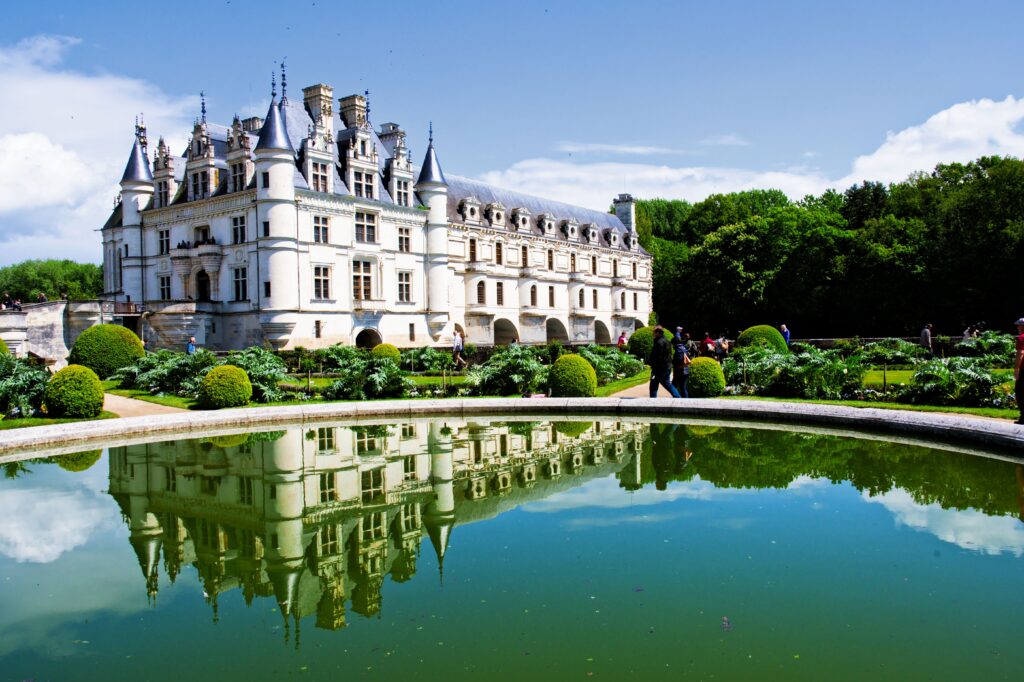
Loire Valley is famous for its châteaux. These buildings range from grand royal residences to smaller private estates surrounded by gardens and vineyards.
Popular castles include:
- Château de Chambord
- Château de Chenonceau
- Château de Villandry
- Château d’Amboise
- Château de Blois
- Château d’Azay-le-Rideau
- Château de Cheverny
Chambord is known for its size and grand architecture. Chenonceau stretches across the River Cher and is one of the most visited castles in the region. Villandry is a good choice for travelers who are interested in formal gardens.
The Loire Valley is also an important wine region. Depending on where you visit, you can taste wines from areas such as Vouvray, Chinon, Saumur, Sancerre, and Muscadet.
Also, Tours, Amboise, Blois, and Saumur are useful bases for exploring. Each offers access to castles, restaurants, markets, and surrounding countryside.
The region is suitable for couples, families, photographers, history enthusiasts, and travelers who enjoy cycling or slow drives between small towns.
You can visit one castle on a day trip from Paris, but staying for two to four days gives you time to see different estates without turning the trip into a checklist.
5. Provence
Provence is best for sunshine, village life, markets, scenic drives, local food, and travelers who want a slower South of France experience.
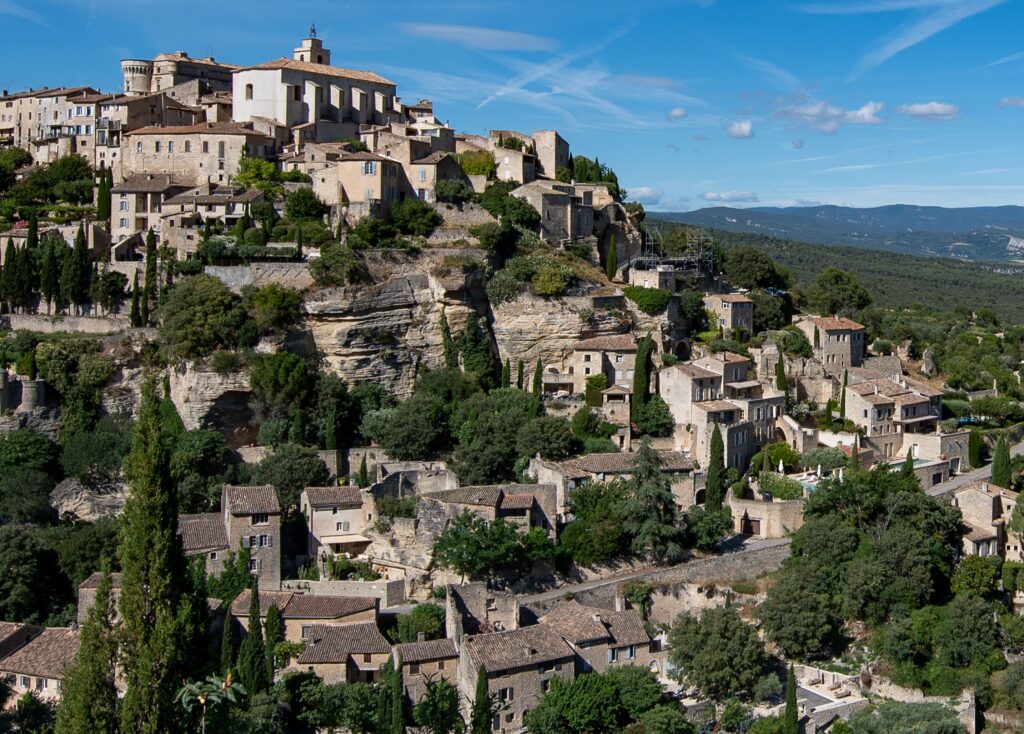
Many people associate Provence with lavender fields, but the region offers much more. You can explore Roman sites, hilltop villages, vineyards, olive groves, coastal areas, market towns, and nature parks.
Popular destinations in Provence include:
- Aix-en-Provence
- Avignon
- Arles
- Saint-Rémy-de-Provence
- Gordes
- Roussillon
- L’Isle-sur-la-Sorgue
- The Luberon
- The Verdon Gorge
Aix-en-Provence is known for fountains, markets, cafés, and elegant streets. Avignon is home to the Palais des Papes and a historic walled center. Arles has important Roman monuments and strong links to Vincent van Gogh. The Luberon area contains several well-known villages, including Gordes and Roussillon. These places can become crowded during summer, so visiting early in the morning or outside July and August can make a difference.
Lavender usually blooms from late June through July, although exact timing depends on location and weather conditions. If you’re planning a lavender-focused trip, do well to check local flowering updates before finalizing your dates. Provence also works well for soft outdoor activities. You can cycle through the countryside, walk around villages, kayak, visit vineyards, explore local markets, or hike near the Verdon Gorge.
A car is useful in Provence because many villages and rural attractions are not directly connected by train. This is also the point where good planning becomes useful. A custom itinerary or local tour service can be even more helpful when you want to combine markets, vineyards, villages, and scenic stops without spending your holiday studying routes and parking rules.
KP Tourist Guide helps tourists in France build a regional itinerary around their actual interests, available time, and preferred pace. This can be useful in regions like Provence, where trying to visit too many villages in one day often makes the trip less enjoyable.
6. French Riviera
The French Riviera is best for beaches, seaside towns, coastal views, elegant resorts, art, and travelers who want sunshine with a more polished atmosphere.
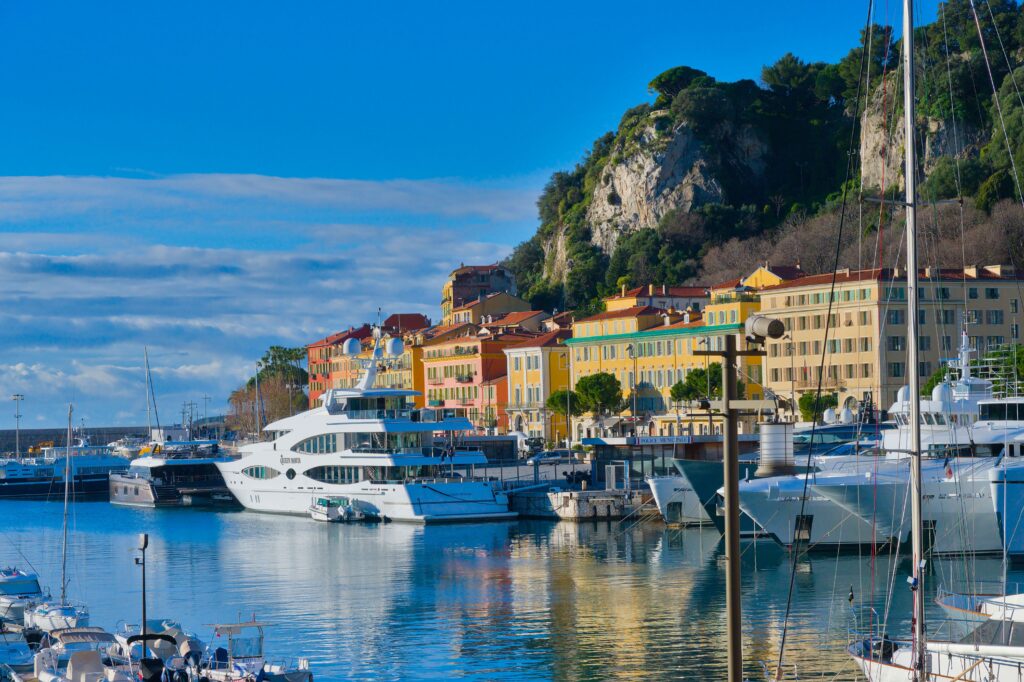
Also known as the Côte d’Azur, the French Riviera runs along France’s Mediterranean coast. It includes major cities, luxury destinations, smaller seaside towns, and hilltop villages.
Well-known places include:
- Nice
- Cannes
- Antibes
- Menton
- Saint-Tropez
- Èze
- Villefranche-sur-Mer
- Saint-Paul de Vence
- Monaco, located beside the French Riviera
Nice is one of the most practical bases in the region. It has an international airport, beaches, museums, restaurants, and good train connections to nearby towns. From Nice, you can take easy day trips to places such as Menton, Antibes, Cannes, Villefranche-sur-Mer, Èze, and Monaco. This makes the Riviera easier to explore without renting a car.
Menton is known for gardens, colourful buildings, and a calmer atmosphere than some of the region’s larger destinations. Antibes combines beaches, an old town, a marina, and the Picasso Museum. Cannes is associated with the film festival, luxury hotels, shopping, and waterfront walks.
This region of France also has several inland villages. Èze offers dramatic coastal views, while Saint-Paul de Vence is known for art galleries and stone streets. The French Riviera is busier and more expensive during summer. Beaches, roads, hotels, and restaurants can become crowded, so it helps to plan fewer stops and allow extra time.
Choose the Riviera if you want a mixture of coast, culture, restaurants, and stylish towns. It works well for couples, solo travelers, luxury travelers, and visitors who prefer using public transport for day trips.
7. Alsace
Alsace is best for picturesque towns, wine routes, Christmas markets, regional food, and travelers who enjoy compact and photogenic destinations. Located in northeastern France near the German border, Alsace has a strong regional identity shaped by both French and German influences.
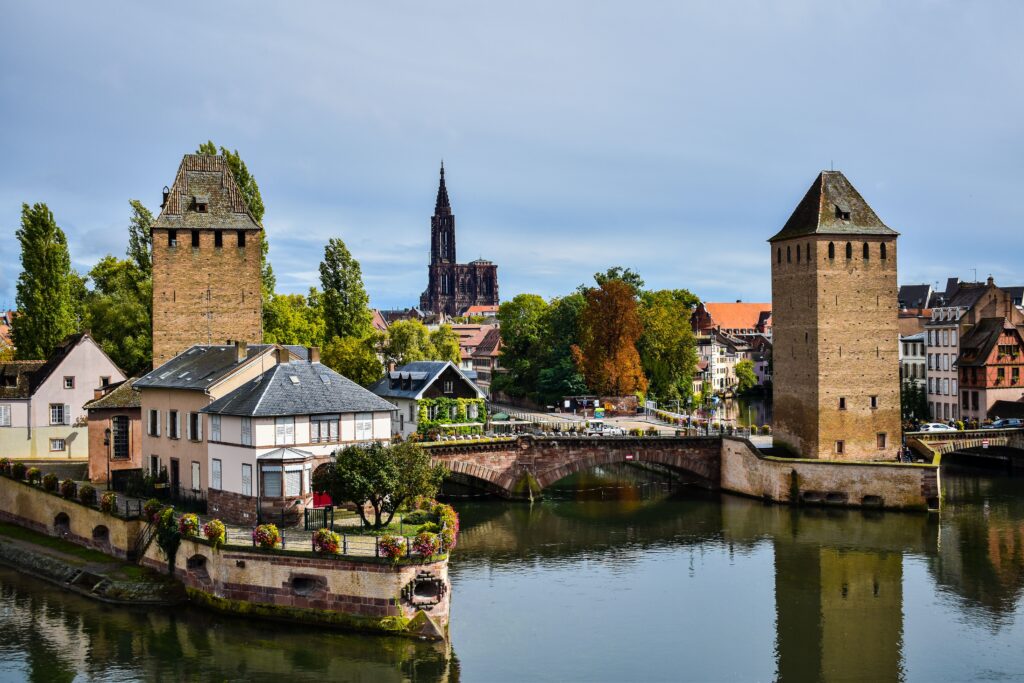
The region is known for colourful half-timbered houses, flower-lined canals, vineyards, castles, and small towns.
Popular places in Alsace include:
- Strasbourg
- Colmar
- Eguisheim
- Riquewihr
- Kaysersberg
- Obernai
- The Alsace Wine Route
- Château du Haut-Koenigsbourg
Strasbourg is the regional capital and home to a major Gothic cathedral, canals, museums, and the European Parliament. Colmar is smaller and known for its old town, canals, and colourful buildings. The villages along the Alsace Wine Route are among the main reasons to visit. Riquewihr, Eguisheim, and Kaysersberg are popular stops, but there are many smaller villages along the route.
Alsace is a good choice for wine tasting, scenic drives, cycling, food tours, and short village visits. Regional dishes include tarte flambée, choucroute, bäckeoffe, and kugelhopf.
The area is popular during the Christmas market season, especially Strasbourg and Colmar. This period can be busy, so accommodation should be booked early.
Alsace is your destination if you like attractive towns, local food, easy sightseeing, and a trip that combines urban attractions with countryside experiences.
8. Burgundy
Burgundy is best for wine, food, historic towns, canals, abbeys, and quiet countryside travel.
The region is a strong choice for visitors who want to slow down and focus on gastronomy, heritage, and rural scenery. It receives fewer first-time international visitors than Paris or the French Riviera, but it offers one of France’s best regional food and wine experiences.
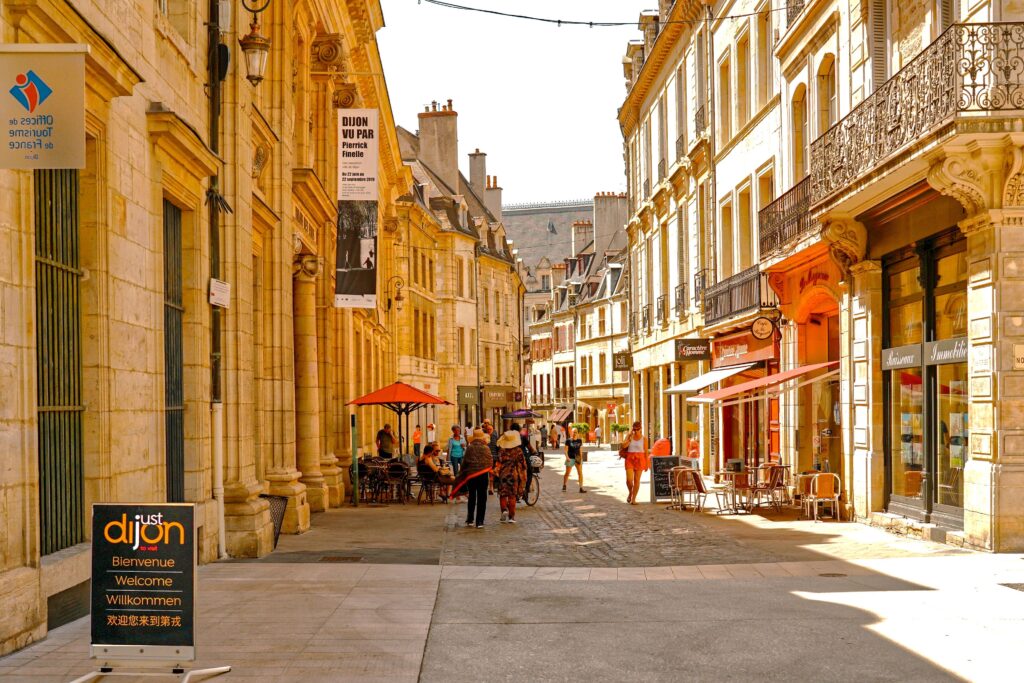
Places to explore in Burgundy include:
- Dijon
- Beaune
- Vézelay
- Autun
- Chablis
- The Route des Grands Crus
- The Morvan Regional Natural Park
Dijon is known for its historic center, museums, food markets, and mustard tradition. Beaune is at the heart of Burgundy’s wine country and is home to the Hôtel-Dieu, one of the region’s most important historic buildings. The Route des Grands Crus runs through famous wine villages and vineyards. You can visit producers, join tastings, cycle between towns, or book guided wine tours.
Burgundy also has medieval abbeys, canals, walking routes, and small villages. It works well for those who prefer a quiet schedule built around long lunches, wine tastings, local markets, and countryside drives. Although Dijon and Beaune are accessible by train, a car would be quite helpful for visitors who do not want to drive after tastings.
Choose Burgundy if food and wine are central to your trip and you prefer calm towns over busy tourist attractions.
9. Dordogne and Southwest France
Dordogne and Southwest France are best for food, villages, river scenery, prehistoric sites, castles, and slow countryside travel. This part of France covers a broad area, so travelers need to choose a smaller base instead of trying to see the entire southwest in one visit.
The Dordogne area is known for medieval villages, stone houses, wooded countryside, caves, castles, and the Dordogne River.
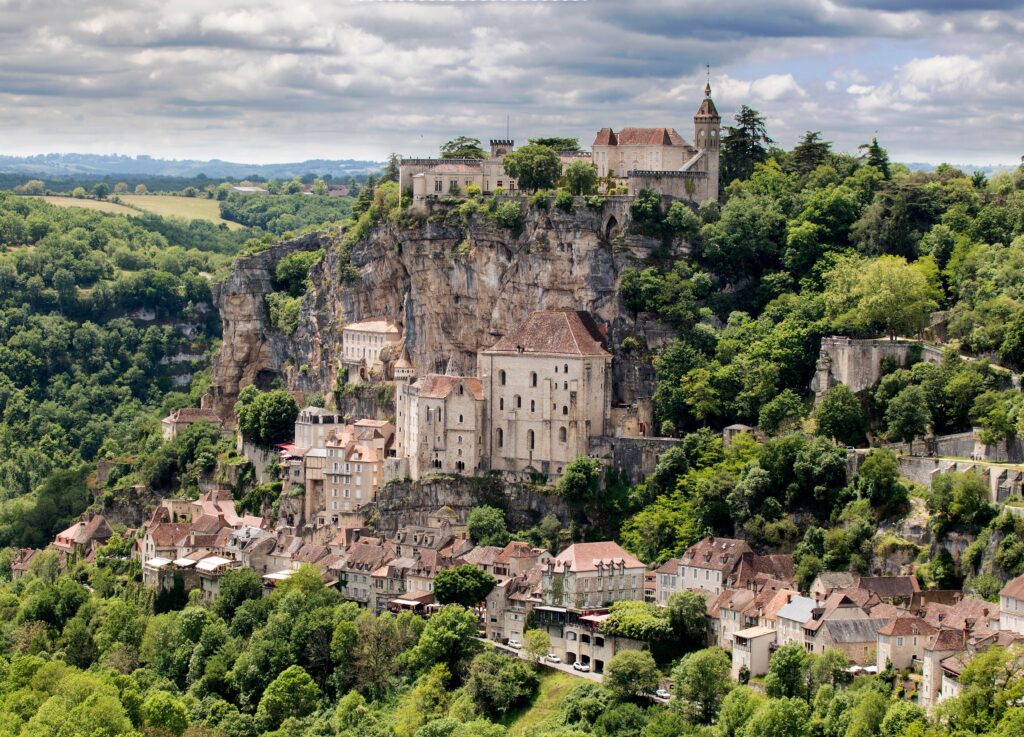
Places to consider in Dordogne and Southwest France include:
- Sarlat-la-Canéda
- Beynac-et-Cazenac
- La Roque-Gageac
- Rocamadour
- Bergerac
- Lascaux
- Domme
- Périgueux
Sarlat is a popular base because of its preserved old town, restaurants, and market. Beynac and La Roque-Gageac sit near the Dordogne River and can be combined with boat trips, castle visits, or countryside drives.
Food is a major part of the regional experience. Local products include walnuts, cheeses, duck dishes, strawberries, truffles, and wines from Bergerac.
Other parts of Southwest France offer different experiences. Bordeaux is known for wine and city architecture. Toulouse has a lively urban atmosphere and distinctive brick buildings. The Basque Country offers beaches, mountains, and towns such as Biarritz, Bayonne, and Saint-Jean-de-Luz.
This region is ideal for travelers who want space, local markets, smaller towns, and a less hurried trip. A car is usually the most practical way to explore.
10. French Alps and Auvergne-Rhône-Alpes
The French Alps and the wider Auvergne-Rhône-Alpes region are best for mountains, outdoor activities, alpine towns, scenic train journeys, winter sports, and active travel. This region offers a clear contrast to France’s cities and coastal destinations. Depending on the season, you can ski, hike, cycle, swim in mountain lakes, visit spa towns, or take cable cars to high viewpoints.
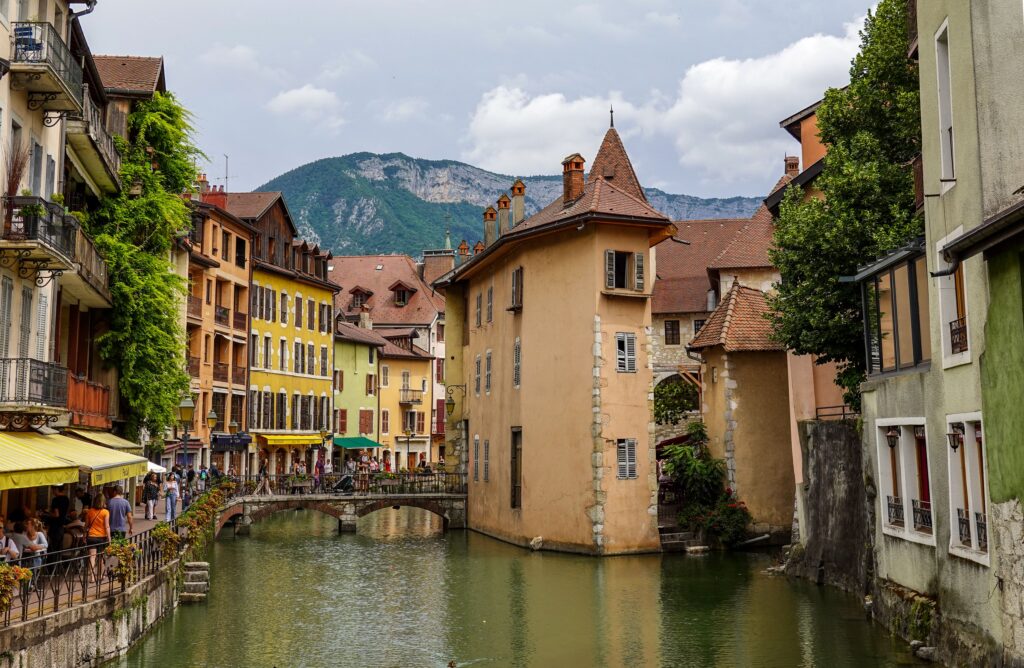
Popular destinations in the French Alps include:
- Chamonix
- Annecy
- Grenoble
- Lyon
- Évian-les-Bains
- Aix-les-Bains
- The Vercors
- The Auvergne volcanoes
Chamonix sits near Mont Blanc and is one of the best-known mountain destinations in France. It attracts skiers in winter and hikers during warmer months. Annecy is known for its lake, canals, old town, and mountain setting. Visitors can walk or cycle around parts of the lake, take boat trips, swim during summer, or use the town as a base for nearby outdoor activities.
Lyon is a major city within the region and an important destination for food, history, and architecture. It can be combined with mountain or lake destinations to create a trip that includes both city life and nature.
The Auvergne area is quieter and known for volcanic scenery, hiking routes, rural towns, and regional food. It suits travelers who want outdoor experiences without the higher prices found in some Alpine resorts.
This region is a good choice for active travelers, families, couples, and anyone who wants dramatic scenery. Your experience will depend heavily on the season, so check which mountain routes, cable cars, ski areas, and hiking trails are operating during your visit.
A Quick Recap: How to Choose the Right Region for Your Trip
The best region for your first trip depends on what you want to do each day.
Start by deciding which type of experience matters most to you.
- For major landmarks, museums, and city life, choose Paris and Île-de-France.
- For war history, coastal towns, and an easy trip from Paris, choose Normandy.
- For rugged coastlines, seafood, and road trips, choose Brittany.
- For castles, gardens, and gentle countryside touring, choose the Loire Valley.
- For markets, villages, sunshine, and scenic drives, choose Provence.
- For beaches, coastal towns, and a stylish atmosphere, choose the French Riviera.
- For colourful villages, wine routes, and Christmas markets, choose Alsace.
- For food, wine, and quiet countryside, choose Burgundy.
- For villages, rivers, heritage sites, and slow travel, choose Dordogne and Southwest France.
- For hiking, skiing, lakes, and mountain scenery, choose the French Alps and Auvergne-Rhône-Alpes.
Your trip length also matters.
For a trip of five to seven days, choose one main region. For instance, you could also spend a few days in Paris and add one nearby area such as Normandy or the Loire Valley. For a trip of eight to ten days, you can usually combine Paris with one other region without rushing.
If you’d want a two-week trip, you can explore two regions well or combine Paris with two carefully selected areas. The regions should have sensible transport connections.
Reach out to one of our guides for a tailored itinerary based on the France region you’d love to see.
Final Advice for Visitors
France is large, and its regions are too different to experience properly in a few days. Rushing between Paris, Provence, the French Riviera, the Loire Valley, and the Alps may give you plenty of photographs, but it will also give you long travel days and little time to understand any one place.
Best tip? Choose one or two regions and explore them well.
Spend time walking through local neighborhoods. Visit a market. Eat regional food. Take a short day trip. Leave some room in your schedule for places you discover after arriving.
For your first visit, it often makes sense to begin with Paris and add one region that matches your main interest. Our local guides can help you curate an itinerary that gives you a wholesome experience as a tourist in France. You’ll get sufficient local context that is easy to miss when you are visiting alone.
Your first trip to France does not need to cover everything. It only needs to give you enough time to enjoy the places you choose.

